

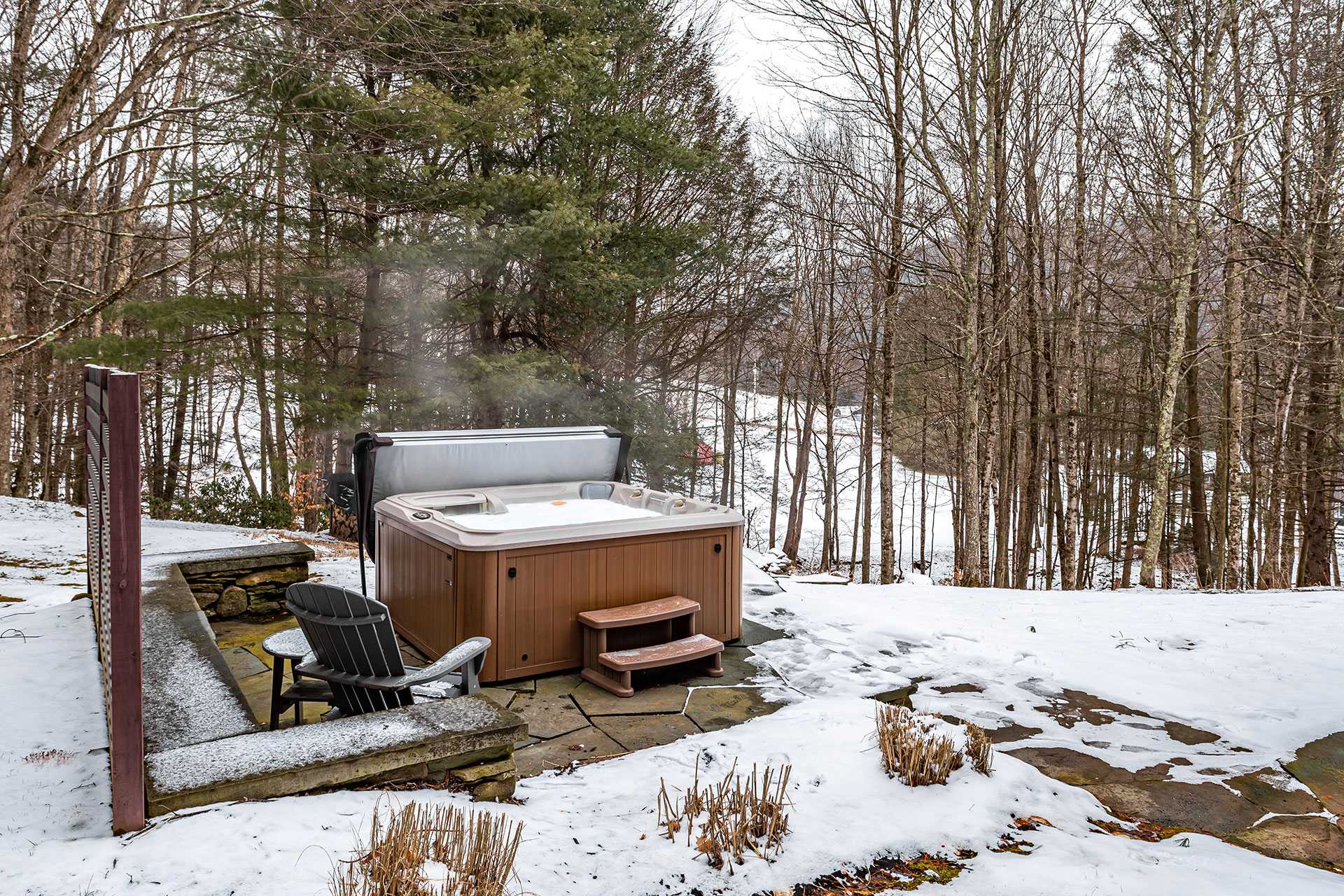
A chilly evening can be one of the best times to use a hot tub. Cold air, warm water, quiet backyard, maybe a little mist rising off the surface–it’s hard to beat.
Cold weather also asks more from a spa. Outdoor hot tubs in places like Port Orchard, Gig Harbor, Bremerton, and the rest of the Kitsap Peninsula need to hold heat well, handle wet weather, and keep running efficiently when temperatures drop. A pretty spa might catch your eye, but the best choice for a cold climate comes down to what’s happening behind the panels, under the cover, and inside the plumbing.
Here’s what to look for before choosing outdoor hot tubs for colder weather.
Look for Hot Tubs with Strong Insulation First
Insulation matters more than almost anything else in a cold climate. A poorly insulated spa loses heat quickly, which means the heater works harder, energy use goes up, and the water may struggle to stay comfortable during colder stretches.
Well-insulated hot tubs are built to trap warmth inside the cabinet and around the shell. Insulated cabinets can also help protect equipment from outdoor conditions, which is especially helpful during wet, cold Pacific Northwest winters.
When comparing models, ask how the cabinet is insulated, how the plumbing is protected, and how well the spa is designed to retain heat. A lower upfront price can lose its shine quickly if the tub costs more to run month after month.
Choose a Quality Cover
A hot tub cover isn’t “just a lid.” In cold weather, it’s one of the most important parts of the whole setup.
Heat rises, so a weak, cracked, or waterlogged cover lets warmth escape fast. A good cover should fit snugly, seal well around the edges, and feel sturdy enough to handle rain, wind, and normal outdoor wear. If the cover becomes heavy and saturated, it won’t insulate as well as it should.
For cold climates, look for a cover with a tight seal and durable construction. A cover lifter can also make regular use easier, especially when the cover is heavy from rain or cold weather.
Pay Attention to the Heating System
Outdoor hot tubs need a dependable heating system, not just a heater that works on mild days. The spa should be able to maintain a steady temperature even when the air is cold, damp, or windy.
Adjustable heat controls are helpful because they let you set the water exactly where you want it. Some spa owners like a hotter soak in winter and a slightly lower temperature in spring or summer. Easy controls make those adjustments simple.
Heating performance also depends on circulation. If water isn’t moving properly through the system, the heater can’t do its job. Strong pumps, clean filters, and good water flow all play a role in keeping the spa warm and comfortable.
Consider Where the Spa Will Sit
Placement can make a big difference in how well a hot tub performs during cold weather. A spa tucked into a protected spot will usually hold heat better than one placed in a wide-open, windy area.
Think about wind exposure, drainage, privacy, and how easy it will be to reach the spa in bad weather. A short, safe path from the house matters more than people expect. Nobody wants to tiptoe across a slippery patio in January.
A covered patio, privacy screen, fence, or nearby wall can help reduce wind and make the space feel more inviting. Just be sure there’s still enough room around the spa for service access.
Look for Comfortable Seating and Useful Jets
Cold-weather soaking is about comfort. The best outdoor hot tubs are easy to settle into, with seating that fits your body and jets that actually hit the areas where you carry tension.
Bullfrog Spas, for example, are known for customizable JetPak options, which let owners choose different jet configurations based on the massage experience they want. For someone using a spa after work, after yardwork, or during colder months when muscles feel tighter, jet placement can make a noticeable difference.
Before choosing a model, sit in it if possible. Check the depth, foot space, seat variety, and whether the jets feel practical for the way you plan to use the spa.
Keep Energy Efficiency in Mind
Cold climates can raise operating costs if the spa isn’t built efficiently. Insulation, cover quality, pump performance, cabinet design, and heater reliability all affect energy use.
Energy-efficient hot tubs hold heat longer and recover heat faster after the cover has been open. Features like insulated cabinets and efficient pumps can help reduce strain on the system, especially during colder months.
A slightly better-built spa may cost more upfront, but it can be the more practical choice if you plan to use it year-round.
Think About Maintenance in Wet Weather
Cold climates aren’t always icy or snowy. Around the Kitsap Peninsula, rain is often the bigger factor. Rainwater, leaves, needles, and debris can all affect water balance and filter performance.
A spa that is easy to access, easy to clean, and simple to monitor will be more enjoyable over time. Look for user-friendly controls, accessible filters, and a layout that makes routine maintenance less of a chore.
Good water care becomes even more important in winter because owners may not want to stand outside troubleshooting cloudy water or weak sanitizer levels when it’s cold.
So, What Makes a Hot Tub Best for Cold Climates?
The best outdoor hot tubs for cold climates are built to hold heat, protect equipment, stay comfortable, and make year-round use realistic.
Look for strong insulation, a quality cover, reliable heat controls, efficient circulation, comfortable seating, and a smart backyard location. For homeowners in Port Orchard and throughout the Kitsap Peninsula, those details can make the difference between a spa that gets used all winter and one that sits covered until spring.
A good hot tub should feel easy to enjoy, even when the temperature drops. With the right setup, cold weather may become your favorite time to soak. Ole’s Pool and Spa offers several spa series to explore, so you can compare layouts, features, and comfort options before deciding what feels like the best fit.