

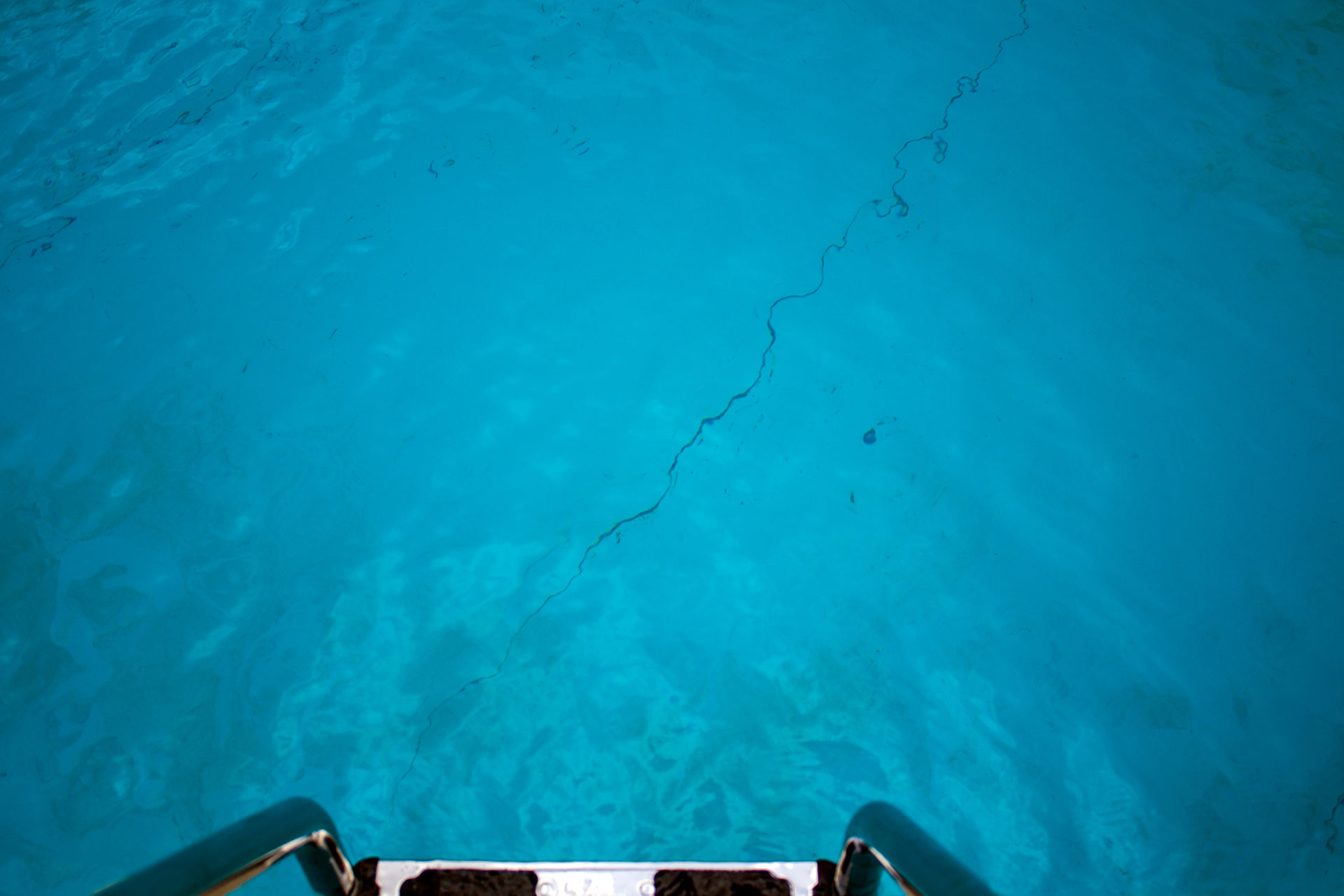
When you notice a crack in your pool, it’s easy to panic, and just as easy to shrug it off. After all, concrete settles, right? A few faint lines along the surface might seem harmless at first, but not every crack is the same. Some are purely cosmetic where a simple patch-up will do, while others can lead to water loss, foundation issues, and expensive structural damage.
Understanding what you’re seeing is the first step to protecting your pool. This guide breaks down the differences between hairline and structural cracks, how to spot them, and when to call for swimming pool leak repair before a minor flaw turns into a major fix.
When to Call for Swimming Pool Leak Repair
Concrete pools naturally expand, contract, and shift over time. Small cracks, often referred to as hairline cracks, can appear during curing or from temperature changes, while deeper structural cracks usually signal a more serious problem beneath the surface.
The tricky part is telling which type you’re dealing with. Hairline cracks are typically thin and shallow, often less than 1/8 inch wide. They may only affect the plaster or topcoat. Structural cracks, on the other hand, extend through the shell or foundation, often causing leaks, uneven surfaces, or visible displacement.
When in doubt, it’s safest to assume that any crack deeper than a fingernail’s width—or one that reappears after patching—deserves a professional inspection. Swimming pool leak repair specialists use advanced tools like pressure tests, dye tests, and sonic listening equipment to pinpoint whether water is escaping and from where.
Hairline Cracks: Common, Cosmetic, and Often Harmless
Hairline cracks are the small, spiderweb-like lines you may see across the plaster or around the pool steps. They’re often the result of natural curing, slight settling, or environmental stress like temperature fluctuations.
In most cases, these cracks don’t leak. They’re more of a visual nuisance than a structural concern. Still, they’re worth keeping an eye on. Over time, water chemistry imbalances can erode plaster and allow those tiny lines to widen, which could eventually expose the shell underneath.
How to manage hairline cracks:
- Monitor their length and width over several weeks.
- Maintain balanced water chemistry, especially calcium hardness, to prevent surface erosion.
- If cracks are visible above the waterline or on decorative finishes, a small patch or resurfacing can restore a clean appearance.
Even though hairline cracks might seem minor, documenting them is a smart move. Take photos, note changes, and schedule a quick inspection during your regular maintenance visit. That way, you’ll know if they’re stable or spreading.
Structural Cracks: When the Problem Runs Deeper
A structural crack is a warning sign that something is shifting or failing beneath your pool. These cracks can run vertically, horizontally, or diagonally across the shell, often creating an uneven edge or step. You may also notice other signs:
- Sudden drop in water level (especially overnight)
- Moist or softened soil around the pool
- Displaced tiles or coping
- Uneven deck sections near the crack
- Pool equipment running more frequently to maintain water levels
Structural cracks usually form from movement—ground settling, soil expansion, or hydrostatic pressure pushing upward beneath the shell. In coastal and Pacific Northwest regions like Port Orchard, heavy rain and saturated ground can amplify these pressures, increasing the risk of cracking.
Once a structural crack develops, the pool’s integrity is compromised. DIY sealants or caulking may mask the problem temporarily, but water will find its way through again. This is where professional swimming pool leak repair becomes essential. A qualified technician can evaluate the source, stabilize the structure, and perform long-term waterproofing or resurfacing to prevent recurrence.
Testing for Leaks: Simple Checks Before the Pros Arrive
If you’re unsure whether a crack is leaking, there’s a simple test you can try before scheduling service.
- Perform a bucket test: Fill a bucket with pool water and set it on a step, ensuring water levels inside and outside the bucket are equal. After 24 hours, compare the two levels. If the pool water dropped more than the bucket water, you likely have a leak.
- Use a dye test: With the pump off, squeeze food coloring or a pool dye near the suspected crack. If the dye is drawn into it, water is escaping through that area.
These methods aren’t foolproof, but they can help confirm your suspicions. If a leak is detected, or if cracks continue to grow, it’s time for a professional swimming pool leak repair assessment. Specialists have pressure testing equipment and electronic listening devices that can locate even the smallest leaks without unnecessary excavation.
How Professionals Fix Structural Cracks
Repairing a structural crack involves more than patching the surface. Depending on the severity, a technician may:
- Inject epoxy or polyurethane to bond the shell and restore strength.
- Install staples or carbon fiber stitching across the crack to prevent future separation.
- Replaster or resurface the interior for added protection.
- Address underlying soil or drainage issues to prevent new stress fractures.
A reliable pool repair company will explain the cause, not just the fix. Structural issues often point to bigger factors like ground movement, hydrostatic pressure, or improper backfill—things you’ll want corrected before they cause repeat damage.
Preventing Future Cracks
While some cracking is inevitable over time, consistent maintenance can certainly minimize risk.
- Maintain stable water chemistry to protect plaster and prevent corrosion.
- Check your deck drainage to ensure runoff doesn’t pool near the structure.
- Keep trees and large shrubs at least six feet from the pool’s edge to prevent root intrusion.
- Schedule annual inspections to catch early warning signs before they escalate.
When It’s Time to Call Ole’s Pool & Spa
Cracks in your pool aren’t something to ignore, but they also don’t have to spell disaster. With proper diagnosis and timely repairs, you can restore your pool’s integrity and avoid far more expensive reconstruction later on.
If you’re seeing cracks, losing water, or suspect a hidden leak, Ole’s Pool & Spa is here to help. Our specialists in swimming pool leak repair serve Port Orchard and surrounding areas with precision testing, honest assessments, and lasting repairs that protect your pool for years to come.