

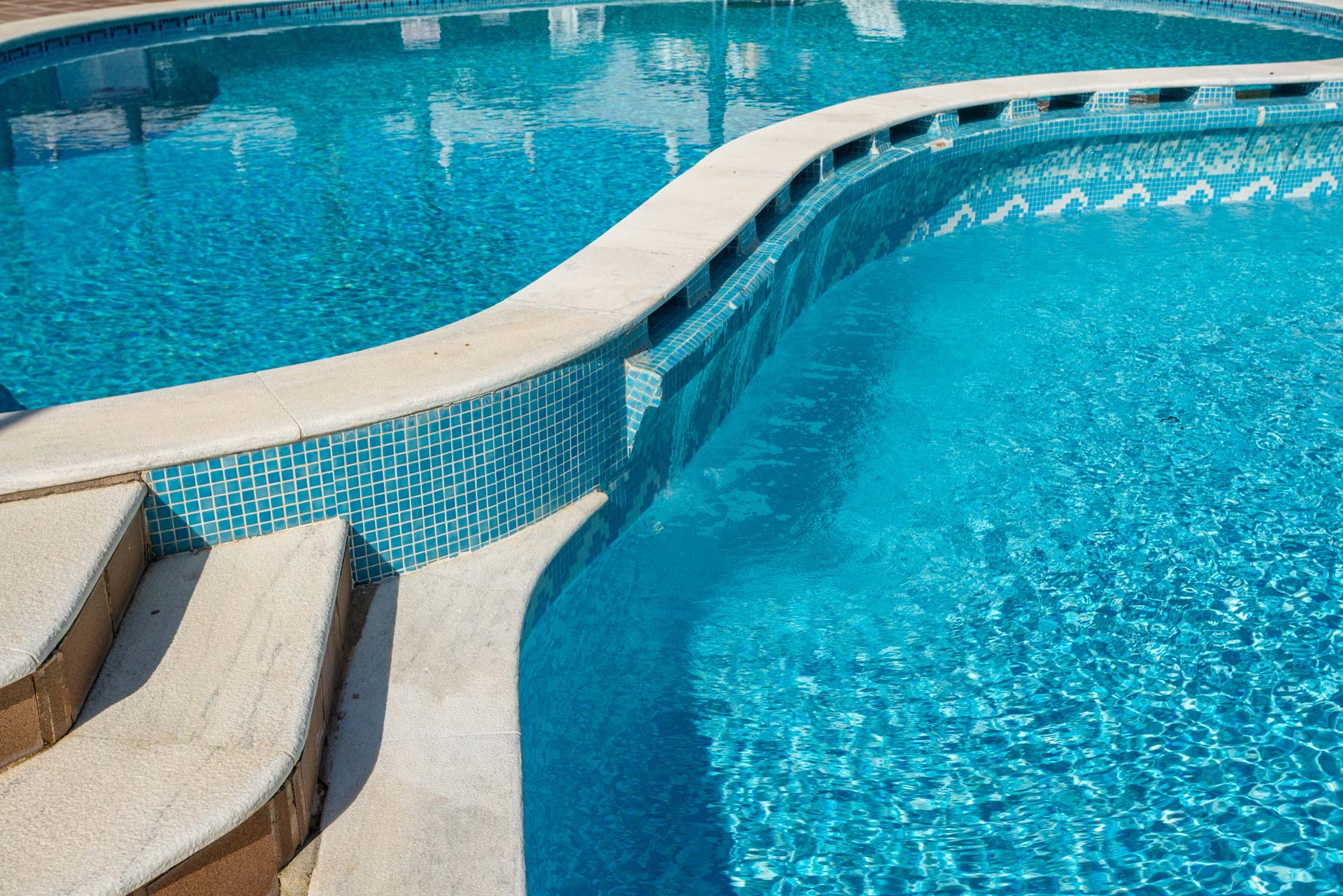
Most homeowners notice pool coping only when something feels off. Maybe the edge looks chipped in one corner. Maybe a section feels loose underfoot. Maybe the pool suddenly looks older, even though you can’t explain why. That’s often how coping problems begin. They don’t always announce themselves as obvious, major damage right away. Instead, they show up as small changes around the perimeter that gradually become harder to ignore.
Coping doesn’t serve as a mere decorative trim. It’s actually a working part of your pool’s edge, and when it starts breaking down, the issue can move beyond appearance surprisingly fast. In some cases, a localized fix is enough. In others, damaged coping is one of the clearest signs that it may be time to consider pool renovation services, especially if the pool is already showing wear in nearby areas. When repeated patching stops improving the situation, it is usually smarter to step back and look at the bigger picture.
The Pool Edge Tends To Reveal Age Before Other Areas Do
A pool can still hold water, circulate properly, and stay usable while the perimeter quietly starts wearing out. That’s part of what makes coping problems easy to underestimate. Homeowners often focus first on plaster, tile, pumps, or leaks because those feel more central to the pool itself. But the edge is exposed to constant use and constant stress, which means it often starts showing age before more obvious systems fail.
Coping deals with splashing, weather exposure, chemical contact, deck movement, and bare feet day after day. Over time, that exposure leaves a mark. Materials loosen. Surfaces roughen. Lines that once looked crisp start to look tired or uneven. In many older pools, the edge becomes one of the first places where the pool’s age stops being subtle.
Coping issues often come up during discussions about swimming pool repair. What starts as a complaint about a chipped section can turn into a conversation about long-term wear, water intrusion, or whether the pool’s exterior details are still holding up the way they should.
What Damaged Coping Actually Tells You
A broken edge doesn’t always mean the whole pool is in trouble, but it usually means something has changed. The question is whether that change is isolated or part of a larger decline.
When coping starts cracking, shifting, or separating, it can point to several things. The material itself may simply be old. The bond may be weakening. Water may be getting into joints and expanding existing flaws. The surrounding deck may be moving slightly. In some cases, earlier repairs may be failing because they only addressed the visible symptom and not the condition underneath.
So coping damage is worth reading carefully rather than reacting to it casually. A single flaw can be repaired. A pattern of flaws usually deserves a different conversation.
Signs The Problem Is No Longer Just Cosmetic
There’s a difference between coping that looks worn and coping that is actively creating problems. Once you move into the second category, the decision-making process changes.
A few signs tend to matter most:
Multiple Sections Are Failing At Once
One weak spot is one thing, but several weak spots around the perimeter usually mean the issue isn’t one-off or sporadic.
The Edge Feels Unstable
Coping should feel solid. If pieces move, wobble, or sound hollow, the problem is more than surface-deep.
The Pool Looks Patched Together
When past fixes leave behind mismatched sections, inconsistent lines, or uneven transitions, it may be a sign the pool has moved out of repair mode and into renovation territory.
Water Has A Way In
Open joints, missing filler, and separation gaps make it easier for water to get where it doesn’t belong. That tends to make surrounding wear worse, not better.
Comfort Has Changed
If the edge feels rough, sharp, or unpleasant under bare feet, the coping is no longer doing its job well from a user standpoint either.
Moments like these will shift homeowners from “Can this be patched?” to “Should I still be patching this at all?”
When Pool Renovation Services Is The Obvious Choice
There’s no “magic number” of cracks that automatically means the pool needs major work. The better test is whether the coping still feels like an small repair item or whether its become part of a wider pattern of aging.
In this case, pool renovation services are the clear choice—not because every damaged edge requires a full overhaul, but because older coping problems rarely stay neatly confined forever. Once materials begin failing in several places, the pool edge can become a cycle of small fixes, temporary improvement, and ongoing frustration.
At that point, homeowners are often better served by evaluating the pool as a entire project rather than as a list of separate flaws. If the coping is aging at the same time the tile looks dated, the finish is wearing down, or the deck transition is beginning to break apart, a larger swimming pool renovation may produce a better result than repeated one-off repairs.
Old Coping Often Pulls Other Renovation Decisions Into The Conversation
One reason coping replacement frequently leads into a pool remodel is that the edge visually ties everything together. It touches the deck, frames the waterline, and affects the overall finish of the pool more than many homeowners expect.
That means old coping can make the entire pool feel tired even when the problem technically begins at the perimeter. A homeowner might start by asking about one damaged edge section and end up realizing the tile no longer matches, the deck line looks dated, and the pool as a whole no longer feels cohesive.
A pool remodel is often less about adding flashy extras and more about resolving multiple aging elements in a coordinated, unified way. If the coping is already due for replacement, it can make the most sense to look at whether other adjacent materials should be addressed at the same time.
The Cost Of Staying In “Patch Mode” Too Long
Small repairs feel cheaper because they ask for less all at once, but there’s a point where the low-commitment option becomes the more expensive habit.
When coping is repaired repeatedly, homeowners often end up paying for labor, materials, and disruption multiple times without ever fully restoring the edge. The pool may remain usable, but the results get less satisfying. The appearance becomes inconsistent. The underlying condition keeps asserting itself. The next failure shows up in a new spot instead of the old one.
How To Make The Right Decision
If you are trying to decide between repair and renovation, it helps to ask a few simple questions.
- Are the coping problems isolated or recurring?
- Does the edge still feel structurally sound overall?
- Are nearby finishes also showing their age?
- Have past repairs held up well, or have they mostly bought short-term relief?
- Does the pool still feel comfortable and safe to use?
Answering those questions usually reveal whether you are dealing with a true swimming pool repair scenario or whether the edge is signaling something more.
Your Pool Edge Can Tell You When It’s Time To Stop Thinking Small
Old coping problems are very rarely just about one chipped corner or one loose piece. More often, they’re the first visible sign that the pool’s outer structure is starting to lose consistency, comfort, and durability.
When damaged coping keeps coming back, looks increasingly uneven, or shows up alongside other signs of wear, pool renovation services may be the more useful path forward.
The smartest decision isn’t always the smallest, cheapest one. Sometimes the better long-term answer is to stop chasing little fixes, look at the pool as a whole, and choose a plan that actually resets the condition of the entire space instead of temporarily dressing it up.