

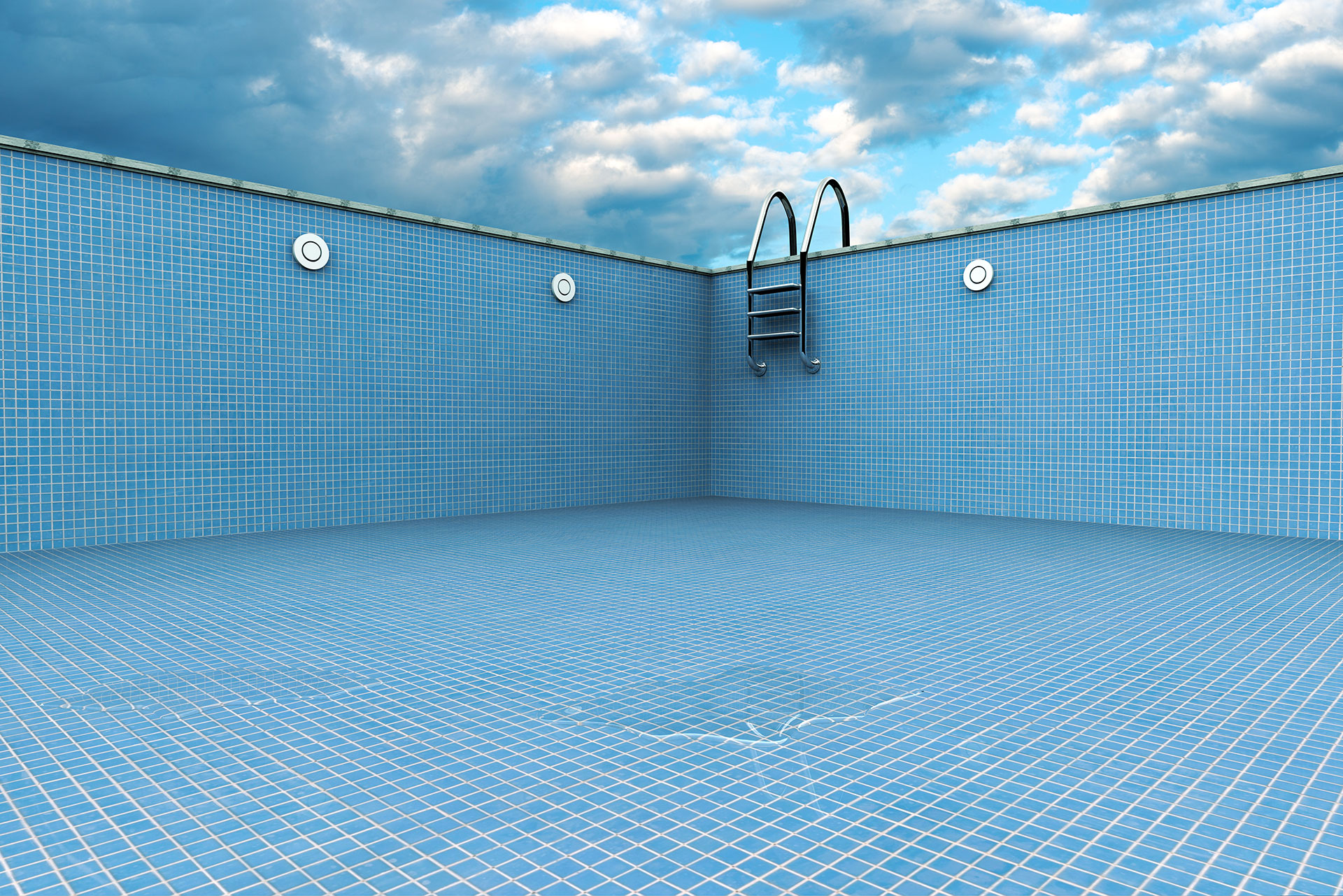
If you own a pool, you already know how much effort goes into keeping it clean. But what many Washington homeowners overlook is that one of the most common pool problems—leaks—can quietly undo all your maintenance work. Even worse? Pool leaks are notoriously tricky to detect.
At Ole’s Pool and Spa, we’ve seen firsthand how a small crack can escalate into serious damage when left untreated. And while most people think of us for our trusted pool cleaning service, we’re equally committed to helping you identify, repair, and prevent long-term damage from sneaky leaks.
Here’s what every pool owner needs to know.
Signs of a Pool Leak
When a leak is obvious, like gushing water or visible cracks, it’s easy to take action. But more often than not, leaks disguise themselves as normal water loss. That’s why they go unnoticed until the damage starts adding up.
Here are a few subtle signs your pool might be leaking:
- Unexpected water loss: Pools naturally lose water through evaporation, especially in the summer. But if you’re refilling your pool more than once a week, something’s off.
- Air in your pump system: Gurgling noises or bubbles coming from your pool jets could mean air is being pulled into the system, often because of a leak in the suction line.
- Soggy spots around the pool: If the grass or dirt near your pool stays wet for days, even without recent rain, it could be caused by leaking water underground.
- Cracks in the pool shell or tiles: Even hairline fractures can let water escape, particularly in older concrete or gunite pools.
- Increased chemical use: Are you going through chlorine or pH balancers faster than usual? A leak can dilute your water chemistry, forcing you to use more chemicals to maintain balance.
Why Leak Detection Is So Challenging
The average pool owner isn’t expected to spot a pinhole-sized leak in a 25,000-gallon body of water. But even trained professionals use a mix of techniques—like pressure testing, dye testing, and sonar-based listening tools—to zero in on the source.
And it’s not always in the structure of the pool. Leaks can also hide in less obvious places, such as underground plumbing, pool light niches, skimmers and return lines, or even around the equipment pads and filter systems.
In some cases, multiple small leaks work together to cause one big headache. That’s why professional diagnostics are so critical. Without the right tools, you could spend months patching the wrong area.
How Pool Leaks Affect Your Water Quality
Even if your pool still looks good, a leak can sabotage your water quality. That’s because the more water you lose, the more diluted your chemicals become, and the harder your filtration system has to work.
This is where a pool cleaning service like ours really adds value. We don’t just brush your tile and vacuum debris. We monitor water chemistry, track usage patterns, and keep an eye out for inconsistencies that might suggest a deeper problem. In many cases, it’s our cleaning team that first notices something’s not right.
With routine service, you’ll get more than clean water, and you’ll get peace of mind that your pool isn’t hiding costly damage beneath the surface.
What to Expect During a Professional Pool Leak Repair
If you suspect a leak, don’t panic. Most leaks are fixable, especially when caught early.
Here’s what our team at Ole’s Pool and Spa typically does during a leak inspection and repair:
- Initial assessment: We talk through your symptoms, such as how often you refill the pool, what you’ve noticed, and when the issue began.
- Visual inspection: We check for visible cracks, shifting, or structural wear.
- Dye testing: For skimmers, drains, and seams, we use dye to see if water is being pulled away.
- Pressure testing: This helps isolate issues in the plumbing system underground.
- Pinpoint repair: Whether it’s sealing a crack or replacing a damaged pipe, we target the exact cause with minimal disruption to your pool.
Sometimes, we’ll also recommend resurfacing or equipment upgrades if the leak stems from outdated materials. But we’ll always walk you through your options first.
Preventing Future Leaks Starts With Routine Care
The best way to avoid costly repairs is to make prevention part of your regular pool care routine. That doesn’t mean you have to spend weekends testing chemicals and inspecting grout lines. It just means partnering with a pool cleaning service that looks beyond surface-level sparkle.
Here’s what to prioritize:
- Weekly maintenance: Keeps water balanced and reduces wear on your system
- Seasonal inspections: Especially important after winter, before summer use
- Up-to-date equipment: Old seals, pumps, and filters can contribute to leaks
- Proper water levels: Overfilling or underfilling can strain your skimmers and cause issues over time
At Ole’s Pool and Spa, we build this kind of proactive care into every service visit. We believe your pool should be a place to relax, not stress over surprise repairs.
Let Us Help You Protect Your Pool This Summer
A pool is a major investment, and for many families, it’s also a source of joy, relaxation, and fun memories. So when a hidden leak threatens that, we take it just as seriously as you do.
Our team has been trusted for years as the go-to pool cleaning service in the area, not just for sparkling results, but for our honest advice and long-term care. If something seems off, we’ll help you figure it out and fix it the right way.
Ready to schedule an inspection or upgrade your weekly service? Give Ole’s Pool and Spa a call today. We’re here to keep your pool clean, safe, and leak-free—all year long.