

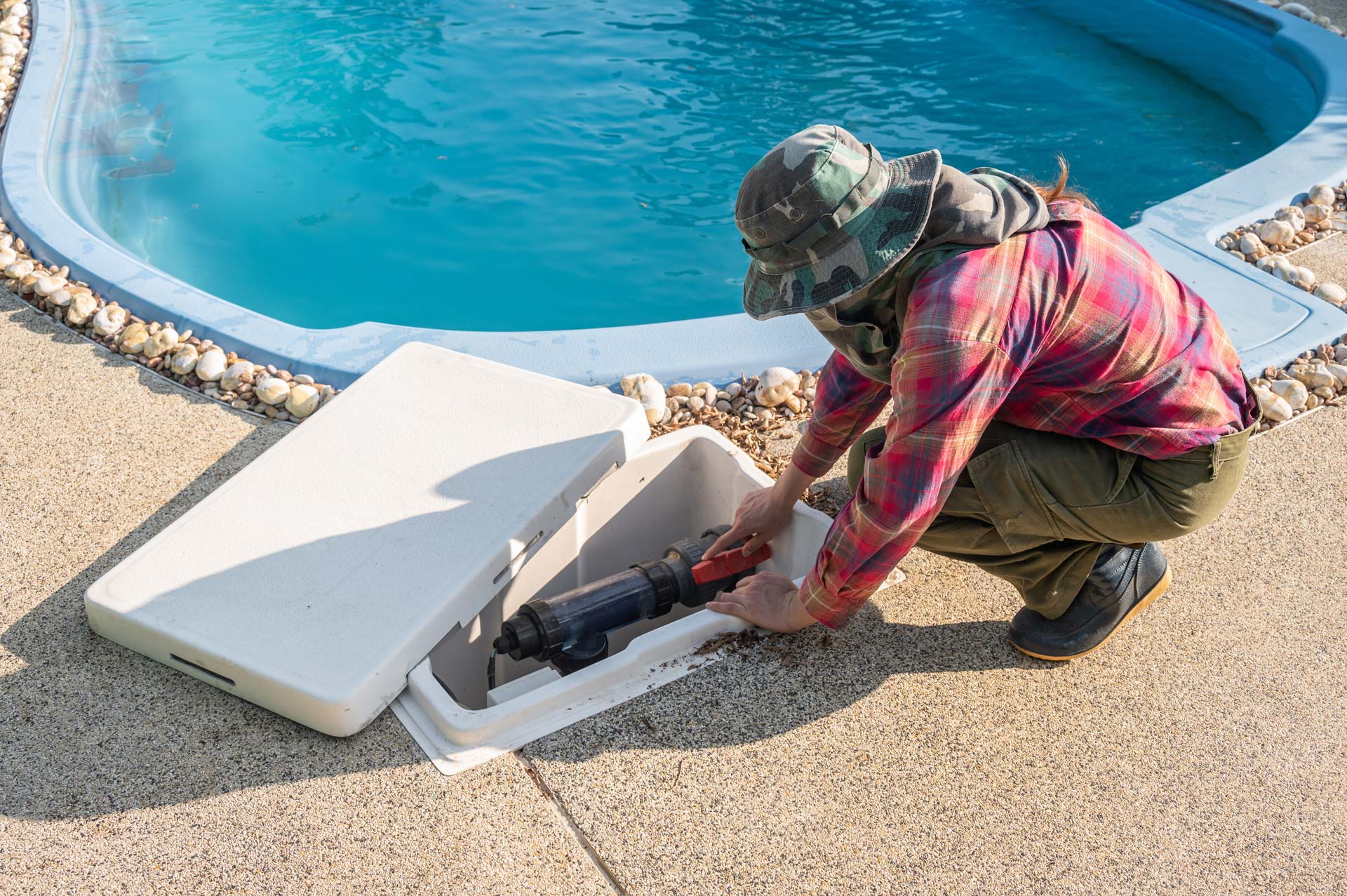
A failing pool pump can put homeowners in an expensive gray area. The pump may still run, but circulation drops, noise increases, energy use climbs, and water quality starts slipping. That’s usually when people start wondering whether they need a full replacement or whether a swimming pool repair will solve the problem for less. The right answer depends on what’s actually failing, how old the equipment is, and whether the cost of repeated fixes is starting to outweigh the value of keeping it.
Pool owners often search for “swimming pool service near me” as soon as the pump starts acting up, but it helps to understand the basics before making a decision. Not every pump problem means the whole unit is done for. In many cases, specific swimming pool pump repair can restore performance and extend the life of the equipment. In others, replacement makes more sense for the long term.
Start With the Existing Symptoms, Not the Worst-Case Scenario
It’s easy to assume the whole pump has failed when the pool is not circulating correctly. In reality, different symptoms point to different problems.
If the pump is making a loud grinding or screeching sound, worn bearings or motor issues may be involved. If it hums but does not start, the capacitor or motor could be the issue. If it keeps losing prime, the problem may be related to air leaks, low water level, clogged baskets, or suction-side trouble rather than total pump failure. Weak flow can also come from a dirty filter, blocked impeller, or valve issue.
A good diagnosis matters. Homeowners sometimes jump straight to replacement when the problem could’ve been solved with a more precise swimming pool pump repair. On the other hand, some pumps receive repair after repair even though the motor is aging out and the system is becoming less reliable every season.
When Swimming Pool Repair Makes More Sense Than Replacement
There are plenty of situations where repair is the more practical option. If the pump is relatively new and the issue is isolated, repair is often worth pursuing first.
For example, repair may make sense when:
- The pump housing is still in good condition
- The motor isn’t severely degraded
- The issue is a seal, gasket, capacitor, switch, or impeller blockage
- The repair cost is modest compared to replacement
- The pump has otherwise been running efficiently and reliably
A more specific swimming pool repair can be especially reasonable when the pump is only a few years old and the rest of the equipment pad is in good shape. Replacing an entire pump for a smaller component failure isn’t always the best use of money.
This is also where experience matters. A homeowner looking up “swimming pool service near me” may find a range of options, but the most useful strategy is one grounded in diagnosis, not guesswork. The goal should be to find out exactly what failed, whether that failed part is repairable, and whether fixing it would leave you with a dependable system.
Signs Replacement May Be the Better Investment
Sometimes repair is technically possible, but still not the smartest choice. A pump that’s older, inefficient, or breaking down repeatedly may be telling you it’s near the end of its life.
Replacement may be the better path when:
- The motor is failing and repair costs are high
- The pump has a cracked housing or significant structural damage
- The parts are hard to find or no longer cost-effective
- The unit has needed multiple repairs in a short period
- The pump is outdated and inefficient compared to newer models
Typically, homeowners want to avoid overspending, so they approve one more repair, then another, then another. At a certain point, the total cost of keeping an aging pump alive starts to exceed the value of replacing it with a more efficient unit.
A newer pump may also improve circulation, reduce noise, and lower energy use. That doesn’t mean replacement is always the answer, but it does mean cost should be viewed over time, not just as a one-time repair invoice.
The Cost Question Is Bigger Than the Immediate Bill
Most people compare repair and replacement by looking at the next bill only. While that’s understandable, it’s incomplete.
A lower repair bill doesn’t always mean lower total cost. If a repair buys only a short window before the next issue appears, the cheaper choice on paper may become the more expensive one in practice. By contrast, a well-timed replacement can reduce ongoing service calls, improve efficiency, and restore confidence in the pool system.
This is especially important during busy swim season, when losing circulation can create bigger water quality problems fast. Delaying the right fix can lead to cloudy water, algae pressure, and added chemical frustration on top of the pump problem itself.
Homeowners aren’t just worried about the pump. They are worried about everything that happens next if the pump stays unreliable.
Questions to Ask Before You Approve Either Option
Before deciding on repair or replacement, it helps to ask a few direct questions:
- How old is the pump?
- What exactly failed?
- Is the rest of the unit still in solid condition?
- How much useful life is a repair likely to buy?
- Has this pump had repeated issues already?
- Would a newer model offer meaningful efficiency or performance benefits?
These questions help move the conversation beyond mere estimation. A solid recommendation should explain not just what can be done, but what makes the most financial sense for your specific setup.
For example, a simple swimming pool pump repair on a newer unit may be completely reasonable. But if the motor is aging, parts are wearing down, and the pump has become inconsistent, replacement may be the more rational choice even if the short-term cost is higher.
Don’t Ignore the Problem Too Long
One of the most expensive mistakes pool owners make is waiting too long to address a pump problem. A struggling pump doesn’t just affect circulation. It can put extra stress on the whole system and make water chemistry much harder to manage.
What starts as a noisy motor, weak suction, or priming issue can turn into a bigger problem if the pump keeps running under strain. In some cases, fast action creates more repair options. Waiting too long can narrow those options and make replacement more likely.
That’s why it helps to treat unusual noise, poor flow, or repeated shutdowns as early warning signs instead of minor annoyances.
The Best Swimming Pool Repair Decision Is the One That Holds Up Over Time
When it comes to swimming pool repair, the best decision isn’t always the cheapest one in the moment. It’s the one that gives you dependable circulation, protects water quality, and makes financial sense beyond the next service call. Sometimes that means a focused swimming pool pump repair. Sometimes it means replacing an aging pump before you spend more money keeping a failing system on life support.
If you’re weighing the options, the most useful next step is a clear diagnosis. A good assessment helps you understand whether a repair will genuinely solve the problem or whether replacement will save you more frustration in the long run.