

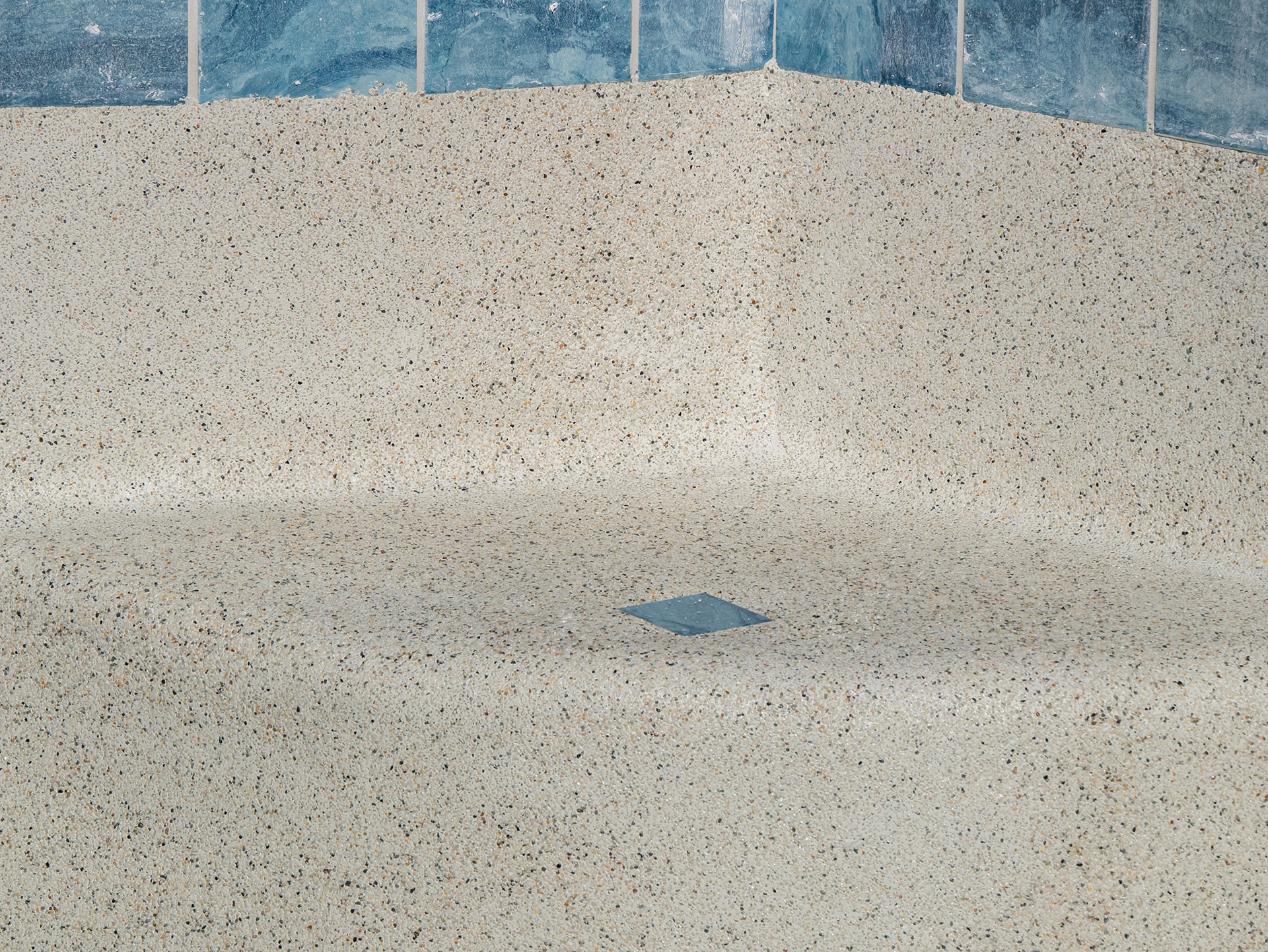
The short answer: Yes, a saltwater pool can be resurfaced with plaster. It doesn’t rule out plaster as a resurfacing option. In fact, plaster can hold up quite well in a saltwater system, but its success depends on more than the finish itself. For homeowners looking into pool resurfacing WA, the real concern is how well the pool’s water chemistry, salt system, and early curing process are managed once the new surface is in place.
Pool Resurfacing WA: Is Plaster Compatible with a Saltwater Pool?
Plaster is compatible with a saltwater pool because a “saltwater pool” is still a chlorine pool. Instead of adding chlorine manually, a salt chlorine generator converts dissolved salt into chlorine to sanitize the water.
The salt level in a residential pool is much lower than the salt level in the ocean. Salt still needs to be managed, but a plaster pool surface can perform well in a saltwater system. The most important factors are proper preparation, careful water balance, and a controlled startup after resurfacing.
Saltwater doesn’t magically ruin plaster. Problems usually develop when water becomes too aggressive, too scale-forming, or difficult to keep balanced.
Why Water Chemistry Matters So Much
Plaster is a cement-based material, which means it can react to poorly balanced water. If the water is too aggressive, it may slowly pull calcium from the plaster, leaving the surface rough, etched, or discolored. If the water is too scale-forming, calcium deposits may build up on the finish, tile, and salt cell.
A salt chlorine generator can also contribute to a gradual rise in pH. That doesn’t make saltwater pools bad for plaster, but it does make routine testing incredibly important. Owners should pay attention to pH, total alkalinity, calcium hardness, water temperature, and other factors that affect the water’s overall balance.
Rather than chasing one number at a time, it helps to consider how the chemistry works together. A pool may have a pH that looks acceptable on its own but still have water that is aggressive toward the plaster pool surface.
The New Plaster Startup Period Is Critical
The first several weeks after resurfacing are especially important. New plaster continues to cure underwater, and the pool’s chemistry can change quickly. The surface may release plaster dust, the pH may rise, and the water may need more frequent testing and adjustment than usual.
During this startup period, the salt chlorine generator is typically not turned on immediately. Salt is usually added only after the new finish has had time to cure, based on the resurfacing contractor’s instructions and the finish manufacturer’s requirements.
Adding salt too early, allowing the water to become unbalanced, or skipping regular brushing can affect the appearance and long-term condition of the finish. The startup plan should be tailored to the plaster product used, rather than treated like a standard weekly maintenance routine.
What Should Be Checked Before Resurfacing?
Before applying new plaster, the existing pool should be evaluated for more than cosmetic wear. Resurfacing is an opportunity to address issues that could affect the new finish or saltwater system.
Important areas to inspect include:
- Cracks, hollow spots, flaking, or delamination in the old surface
- Leaks around fittings, drains, lights, or plumbing penetrations
- Rust stains or signs of corroding metal components
- The condition of the salt cell, bonding system, ladders, handrails, and other metal fixtures
- Tile, coping, and expansion joints that may need repair before plaster is applied
A new plaster pool surface will look better, but it won’t solve an underlying leak, structural crack, or equipment problem. Those concerns should be identified before resurfacing begins.
Does Saltwater Shorten the Life of Pool Plaster?
Saltwater itself isn’t the only factor that determines how long plaster lasts. Surface preparation, application quality, water chemistry, brushing, cleaning habits, and winter care all play a role.
However, saltwater pools can be less forgiving when maintenance is inconsistent. High pH may encourage scale, while poorly balanced water may contribute to etching or staining. Salt can also be harder on certain metal parts if the pool’s bonding, equipment, or corrosion protection is inadequate.
You don’t need to avoid saltwater, but you do want to manage the entire pool as a system. When the finish, water, and equipment are cared for together, plaster can remain a dependable option.
How to Protect a Newly Resurfaced Saltwater Pool
Once the initial startup period is complete, a few habits can help protect the finish:
- Test the water regularly, especially during heavy use, rain, or changing temperatures.
- Keep pH from drifting too high for long periods.
- Monitor calcium balance to reduce the risk of etching or scale.
- Inspect and clean the salt cell according to the manufacturer’s guidance.
- Brush the pool as recommended, and address stains or rough areas early.
- Follow a winter maintenance plan instead of assuming cool weather makes chemistry less important.
Washington’s cooler water temperatures and rainy seasons can also affect water balance, so maintenance may need to change throughout the year.
Plaster Can Be a Good Choice for Saltwater Pools
A saltwater pool can absolutely be resurfaced with plaster. The finish isn’t automatically incompatible with salt, and many problems blamed on saltwater are actually related to chemistry, startup, or equipment care.
For owners considering pool resurfacing WA, the best results come from looking beyond color and texture. A durable finish depends on proper surface preparation, a careful startup, balanced water, and consistent maintenance. With those pieces in place, plaster can give a saltwater pool a clean, comfortable, and long-lasting surface.