

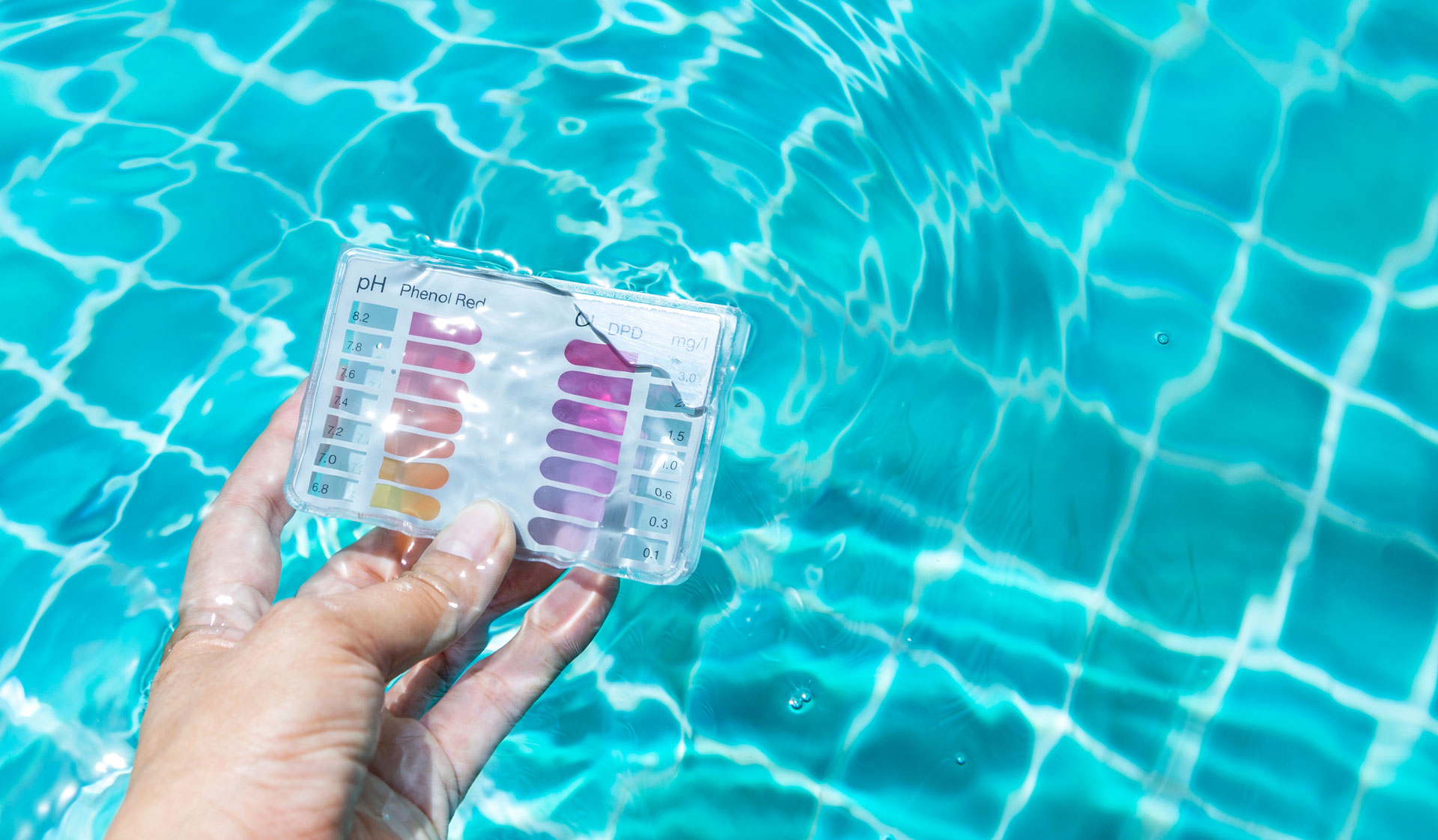
Pool maintenance can feel confusing when you first start learning how pool water chemistry works. One day the water looks clear, the next it turns cloudy, smells strongly of chlorine, or starts irritating everyone’s eyes.
Balancing pool water is less mysterious than it seems. Most problems come down to a few key chemistry levels being out of sync, and once you know what those numbers mean, it’s much easier to make the right fix instead of guessing.
Whether you’re caring for your pool through a rainy Pacific Northwest spring, preparing for summer swimming, or trying to correct a stubborn water issue, this Q&A breaks down the basics in a practical way.
Why Is Water Balance Such An Important Part Of Pool Maintenance?
Water balance is one of the most important parts of pool maintenance because it affects basically everything: swimmer comfort, water clarity, sanitizer performance, equipment lifespan, and the condition of your pool surface.
When pool water is properly balanced, chlorine can do its job more effectively, surfaces are less likely to stain or scale, and the water feels better on skin and eyes. When chemistry is off, even a clean-looking pool can become irritating, corrosive, cloudy, or unsafe.
Balanced water also helps protect expensive pool equipment. Water that is too acidic can slowly damage metal parts, heaters, ladders, pumps, and pool surfaces. Water that is too basic can lead to scale buildup, cloudy water, and reduced chlorine effectiveness.
In other words, chemistry is helps keep the entire pool system working the way it should.
What Are The Main Pool Chemistry Levels To Watch?
The main levels to monitor are:
- pH: This measures how acidic or basic the water is. The ideal range is usually 7.2 to 7.8.
- Chlorine: This is the sanitizer that helps kill bacteria, algae, and other contaminants. Most pools should maintain free chlorine around 1 to 3 parts per million, though needs can vary based on use, weather, and pool type.
- Total alkalinity: This helps stabilize pH. A common target range is 80 to 120 parts per million.
- Calcium hardness: This measures dissolved calcium in the water. Low calcium can make water aggressive, while high calcium can contribute to scaling.
- Cyanuric acid: Also called stabilizer, this helps protect chlorine from being broken down too quickly by sunlight.
Each of these levels matters on its own, but they also affect each other. A pool can have enough chlorine and still struggle with cloudy water if pH or alkalinity is off.
How Often Should You Test Pool Water?
During active swimming season, testing two to three times per week is a good habit for most residential pools. If the pool gets heavy use, if temperatures rise, or if there has been a lot of rain, you may need to test more often.
In rainy climates, water chemistry can shift quickly. Rain can dilute chlorine, affect pH, lower alkalinity, and introduce debris or contaminants. After a heavy rainstorm, it is smart to test the water before assuming everything is fine.
You should also test after:
- Large pool parties
- Major storms
- Adding fresh water
- Shocking the pool
- Opening the pool for the season
- Noticing cloudy water, algae, odor, or irritation
Test strips are convenient, but liquid test kits are usually more precise. Either way, consistency matters more than perfection. The more often you test, the easier it is to catch little changes before they become bigger problems.
What Should You Adjust First?
In most cases, start with total alkalinity, then pH, then sanitizer.
Alkalinity acts like a buffer for pH. If alkalinity is too low, pH can swing up and down quickly. If it’s too high, pH can be difficult to adjust. Once alkalinity is in range, pH usually becomes easier to manage.
After that, adjust pH. Chlorine works best when pH is in the proper range. If pH is too high, chlorine becomes less effective. If pH is too low, the water can become corrosive and uncomfortable for swimmers.
Once alkalinity and pH are stable, check and adjust chlorine. Testing in this order helps avoid chasing numbers and adding chemicals unnecessarily.
Why Does My Pool Smell Strongly Like Chlorine?
A strong chlorine smell usually doesn’t mean there’s too much clean chlorine in the water. It often means there are chloramines.
Chloramines form when chlorine reacts with sweat, body oils, sunscreen, leaves, dirt, and other contaminants. They are what often cause the “public pool” smell, eye irritation, and skin discomfort.
The solution is usually to test the water and determine whether the pool needs to be shocked. Shocking raises the sanitizer level high enough to break down contaminants and restore cleaner water. After shocking, the pool shouldn’t be used until chlorine returns to a safe swimming range.
Why Is My Pool Cloudy Even Though I Added Chlorine?
Cloudy water can happen for several reasons, and chlorine is only one part of the picture.
Common causes include:
- High pH
- Low chlorine
- Poor filtration
- High calcium hardness
- Heavy swimmer use
- Fine debris or pollen
- Recent rain or water dilution
- Algae beginning to form
Before adding more chlorine, test the full chemistry. If pH is high, chlorine may not be working efficiently. If the filter is dirty or the pump is not running long enough, contaminants may remain suspended in the water. If calcium is too high, the water can appear dull or hazy.
Cloudy water is often a sign that the pool needs a combination of chemistry correction, brushing, filtration, and sometimes shock treatment.
What Is The Ideal pH For Pool Water?
The ideal pH range for most pools is 7.2 to 7.8, with many pool owners aiming around 7.4 to 7.6.
This range is comfortable for swimmers and helps chlorine do its job. If pH drops too low, the water can become acidic, which may cause eye irritation, surface damage, corrosion, and equipment wear and tear. If pH rises too high, chlorine becomes less efficient, and the water may become cloudy or scale-prone.
If you’re constantly adjusting pH, check alkalinity. Unstable alkalinity is often the reason pH refuses to stay in range.
How Does Rain Affect Pool Water Chemistry?
Rain can change pool chemistry more than most pool owners expect. A light shower may not cause huge problems, but constant or heavy rain can dilute sanitizer, lower alkalinity, introduce organic debris, and shift pH.
In areas with frequent rain, pool maintenance should include extra testing after storms. Even if the water looks clear, chlorine may be lower than expected. Leaves, pollen, soil, and runoff can also increase the need for chlorine, which means the sanitizer gets used up faster.
After heavy rain, skim debris, empty baskets, check the water level, test chemistry, and run the pump long enough to circulate the water properly.
Can I Swim If The Chemicals Are Slightly Off?
It depends on which levels are off and how far outside the normal range they are.
Do not swim if chlorine is too low, if chlorine is extremely high after shocking, if pH is far outside the recommended range, or if the water is cloudy enough that you can’t clearly see the bottom. Poor visibility is also a safety issue, not just a cosmetic one.
Water that looks “mostly fine” can still be irritating or unsanitary if chemistry isn’t balanced. Testing is the safest way to know.
What Is The Biggest Mistake People Make With Pool Chemistry?
One of the biggest mistakes is adding chemicals without testing first. Another common mistake is treating every problem like a “chlorine problem.”
More chlorine won’t fix high pH, poor filtration, high calcium, or low alkalinity. It may temporarily improve the appearance of your water, but the underlying issue will usually come back. You should test, identify the imbalance, make one correction at a time, circulate the water, and retest.
It’s also important to avoid adding multiple chemicals at once unless the product instructions specifically say it is safe. Give the water time to circulate between adjustments so you know what actually changed.
Final Thoughts On Keeping Pool Water Balanced
When pool water is balanced, the pool is clearer, more comfortable, easier to maintain, and better protected over time. A little consistency goes a long way, especially in climates where rain and seasonal changes can shift chemistry quickly.
For most pool owners, the best habit is a simple one. Test before you treat, make small corrections, and keep the whole system in mind rather than focusing on one chemical at a time.