

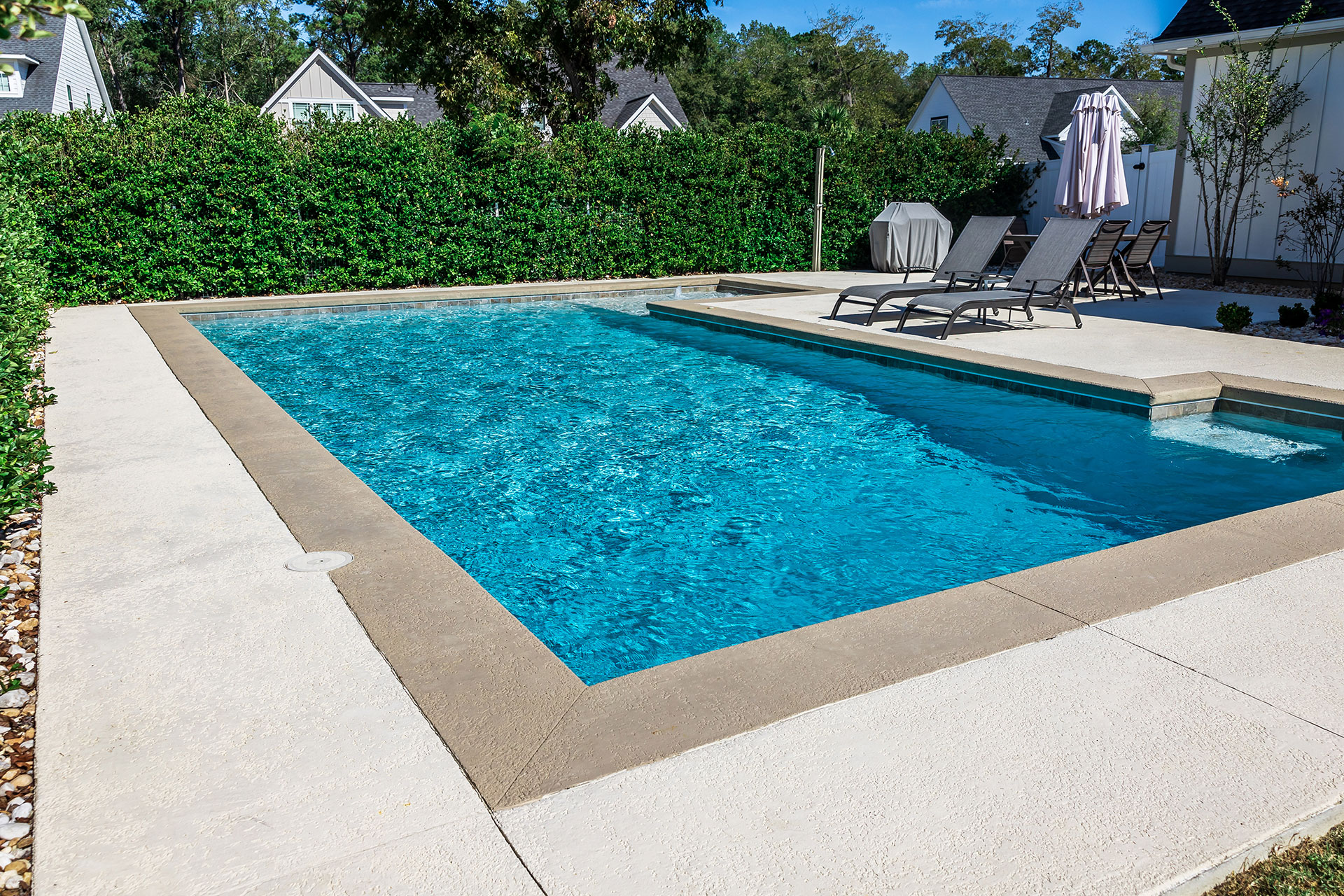
Watching your pool waterline drop is frustrating enough, but watching it drop when the equipment is completely off can make the problem feel even more mysterious.
A pool can lose some water naturally through evaporation, splash-out, and normal use. Still, a noticeable drop that continues overnight or during a stretch when nobody is swimming deserves a closer look. Swimming pool repair often starts with one simple question: does the pool lose more water while the pump is running, or while it is off?
Water loss with the pump off can point away from certain equipment issues and toward others. It doesn’t automatically mean you have a major structural problem, but it can help narrow down where to look first.
Swimming Pool Repair: What Water Loss With the Pump Off Can Tell You
When the pump is off, water is no longer circulating through the filter, heater, return lines, and most of the equipment pad. A pool that continues losing water during that time could have a leak in the shell, skimmer, light niche, fittings, or plumbing below the normal waterline.
Swimming pool repair is much easier when you can give a technician a clear pattern instead of simply saying, “The water keeps going down.” Keep an eye on how far the water drops, how quickly it happens, and whether it seems to stop at a particular level. Those details can be surprisingly helpful.
For homeowners searching for pool repair Gig Harbor, the first step is separating normal water loss from a leak that needs attention.
Start by Ruling Out Evaporation
Evaporation is real, especially during warm, dry, breezy weather. Heated pools can also lose more water than expected. Still, evaporation tends to be gradual. Losing a small amount over the course of a week may be normal. Needing to add water every day is usually not.
A bucket test is an easy way to compare your pool’s water loss with normal evaporation.
Fill a bucket with pool water and place it on a pool step so the water inside the bucket is close to the same level as the water outside it. Mark both waterlines. Leave the pump off, keep swimmers out of the pool, and check both marks after 24 hours.
If the pool water has dropped more than the water inside the bucket, a leak is more likely. If both levels dropped by about the same amount, evaporation is probably the bigger factor.
Watch Where the Waterline Stops
One of the most useful clues is the level where the water stops dropping. Pools don’t always leak until they’re empty. Sometimes the water loss slows down or stops once it reaches the damaged area.
For example, water that stops near the bottom of the skimmer opening may suggest a skimmer issue. A waterline that settles around a return fitting, pool light, or step jet can point toward a leak in that area.
Don’t drain the pool just to test this theory. Draining a pool without knowing the condition of the shell, groundwater level, or drainage situation can create even bigger problems. Take note of the level instead, then inspect the nearby features for cracks, loose fittings, worn sealant, or visible gaps.
Check the Skimmer and Pool Fittings
A skimmer can leak in more than one place. The plastic body may crack, the connection between the skimmer and pool wall may fail, or the fittings inside the skimmer may no longer seal properly. Because the skimmer sits near the waterline, it’s often one of the first places to inspect when the pool loses water with the pump off.
Return fittings, main drains, vacuum ports, and step jets are also worth a close look. A small crack around a fitting can be hard to spot, especially underwater. Staining, rough plaster, a loose fitting ring, or a section that looks slightly separated from the surrounding surface can all be clues.
Pool repair Gig Harbor homeowners need isn’t always obvious from the deck. Some leaks occur behind fittings or inside plumbing lines, where a visual inspection only tells part of the story.
Don’t Forget the Pool Light
Pool lights are another common trouble spot. Most pool lights sit inside a niche built into the wall of the pool. A worn gasket around the light fixture, cracked conduit, or failed seal can allow water to escape.
Signs of a light-related leak can include water loss that slows near the light level, moisture inside the light fixture, or visible damage around the niche. Electrical components around a pool should always be treated carefully. Avoid opening or handling a light fixture unless you know the power has been shut off correctly.
Look for Surface Cracks, But Don’t Assume Every Crack Is the Leak
Hairline cracks in plaster or concrete can look alarming, but not every crack goes all the way through the pool shell. Some are surface-level cosmetic cracks. Others may allow water to move behind the finish or into the surrounding soil.
Pay attention to cracks that seem to widen, collect debris, show dark staining, or appear near steps, fittings, tile lines, or the skimmer. Soft spots in the yard, unusually green patches of grass, settling deck areas, or damp soil near the pool can also point to water escaping below ground.
A dye test can sometimes help with visible cracks or fittings. With the pump off and the water completely still, place a small amount of pool-safe dye near the suspected area. Dye that gets pulled into a crack or gap could reveal a leak path. Save this method for calm water, and remember that a negative dye test doesn’t always completely rule a leak out.
Consider Plumbing Below the Waterline
A pool can still have a plumbing leak when the pump is off. Lines connected to the main drain, suction side, or other below-water features may continue leaking because the water is naturally pressing against them.
Pressure testing might be necessary when the water loss pattern points to underground plumbing but there are no visible signs around the pool. It’s one of the more useful tools in swimming pool repair because it can help isolate a line instead of just assuming.
For pool repair Gig Harbor homeowners, catching a plumbing leak early can help prevent washed-out soil, settling around the deck, and higher water bills from turning a smaller repair into a larger project.
Keep Track of the Pattern Before You Act
Pool leaks aren’t always obvious. You might not see water spraying from a pipe or a big crack along the wall. More often, it’s a slow drop in the waterline that becomes noticeable after a few days.
It helps to keep a simple record while you are trying to figure it out. Snap a photo of the waterline each day, note how much water you have added, and pay attention to whether the pump was running or the pool heater was on. If the water seems to stop dropping at a certain spot, make a note of that too.
A little detective work around the skimmer, return fittings, pool light, and any visible cracks can also make it much easier to understand what may be going on and where the leak could be coming from.